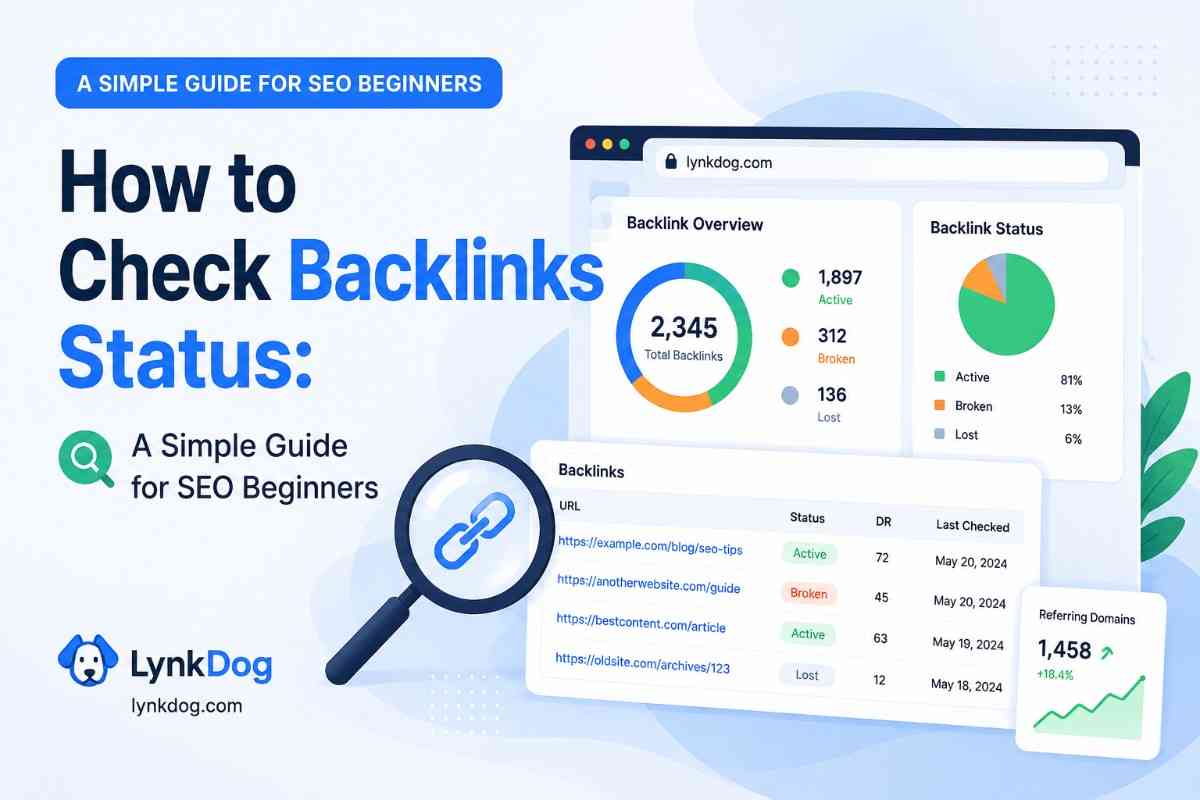
What Is Backlink Monitoring? A Complete Beginner's Guide (2026)
If you've been doing SEO for more than five minutes, someone has probably told you that backlinks matter. And they're right backlinks are still one of Google's top ranking factors. But here's the part most beginners miss: getting backlinks is only half the job. Monitoring them is the other half.
In this guide, we'll break down exactly what backlink monitoring is, why it matters for your website's SEO health, and how to use a backlink checker or link monitoring tool to stay on top of your link profile even if you're just getting started.
Let's dig in.
What Is Backlink Monitoring?
Backlink monitoring is the process of continuously tracking and analyzing the links that other websites point to your site. Instead of checking your backlinks once and forgetting about them, you regularly monitor backlinks to see what's new, what's been lost, and whether the links you have are helping or hurting your rankings.
Think of it like checking your bank account. You wouldn't deposit money and never look at it again you'd want to know if money was going out too. Your backlink profile works the same way. Links come in, links disappear, and some of them can actually do damage if they're low quality or spammy.
A good link monitoring tool gives you a real-time or near-real-time view of your entire backlink profile so you're never caught off guard.
Why Backlink Monitoring Matters in 2026
Google's algorithm has evolved significantly, but links still signal authority, trust, and relevance. Here's why keeping a close eye on your backlinks is more important than ever:
1. Lost links hurt your rankings. When a page that was linking to you gets deleted or updated, you lose that link equity. If you don't catch it quickly, your rankings can quietly drop without you knowing why. With proper backlink tracking, you can identify lost links and reach out to reclaim them before the damage sets in.
2. Toxic links can get you penalized. Not all backlinks are good ones. Links from spammy sites, link farms, or irrelevant pages can trigger a manual penalty or algorithmic downgrade from Google. Regular backlink audits help you catch these harmful links early so you can disavow them before they drag your site down.
3. Competitors are watching their links are you watching yours? In competitive niches, other sites are actively building and monitoring their backlinks. If they're earning links from sites that also link to you, you need to know about it. Monitoring your backlinks gives you a strategic edge.
4. You can spot link-building opportunities. When you monitor backlinks consistently, you start to notice patterns. Which types of content attract the most links? Which domains keep linking to your competitors but not to you? A solid backlink checker can surface these insights automatically.
Key Terms You Need to Know
Before we go further, let's make sure we're speaking the same language. Here are the core terms related to monitor backlinks workflows:
Backlink (Inbound Link): A hyperlink on another website that points to your website.
Referring Domain: The unique website sending you a backlink. One domain can send multiple links, but it only counts as one referring domain.
Anchor Text: The clickable text of a hyperlink. Anchor text gives Google context about what the linked page is about.
DoFollow vs. NoFollow: DoFollow links pass SEO value (link equity). NoFollow links don't pass equity directly but can still drive traffic and diversify your profile.
Link Equity (Link Juice): The SEO value that passes from one page to another through a backlink.
Toxic Link: A low-quality or manipulative link that could harm your site's search rankings.
Disavow: The process of telling Google to ignore certain links pointing to your site, usually done through Google Search Console.
What Does a Backlink Audit Actually Look At?
A backlink audit is a deep dive into your link profile. It's usually done periodically once a quarter is a good starting point or after you notice a drop in rankings. Here's what a thorough audit examines:
Total Backlinks and Referring Domains
The first thing any link monitoring tool will show you is the total number of backlinks and referring domains pointing to your site. More referring domains from authoritative sources is generally better than thousands of links from just a handful of sites.
Link Quality and Authority
Not all links carry the same weight. Links from high-authority domains like news sites, universities, or well-established blogs in your niche are far more valuable than links from obscure, low-traffic directories. Most backlink checkers assign a domain authority or domain rating score to help you assess this quickly.
Anchor Text Distribution
If a large percentage of your anchor text is exact-match (meaning it uses your exact target keyword), that can look manipulative to Google. A healthy backlink profile has a natural mix of branded, generic, URL-based, and keyword-rich anchor texts.
DoFollow vs. NoFollow Ratio
A completely artificial-looking backlink profile with 100% dofollow links from unrelated websites is a red flag. Natural profiles have a healthy mix of dofollow and nofollow links.
Toxic or Spammy Links
During a backlink audit, you'll want to flag any links coming from link farms, adult content sites, gambling sites (if unrelated to your niche), scraped content sites, or sites with thin, auto-generated content. These need to go on your disavow list.
New and Lost Links
Tracking changes over time is the heart of backlink tracking. Which sites recently linked to you? Which links did you lose in the past 30 days? These changes directly impact your SEO performance.
How to Monitor Backlinks: A Step-by-Step Process
Here's a practical workflow to start monitoring your backlinks effectively, even if you're a complete beginner.
Step 1: Set Up a Backlink Checker Tool
The first step is choosing a reliable backlink checker. There are several popular options in 2026, ranging from free to premium. Look for a tool that offers:
Real-time or frequently updated data
Referring domain and backlink counts
Anchor text analysis
New and lost link notifications
Toxic link detection
Competitor backlink comparison
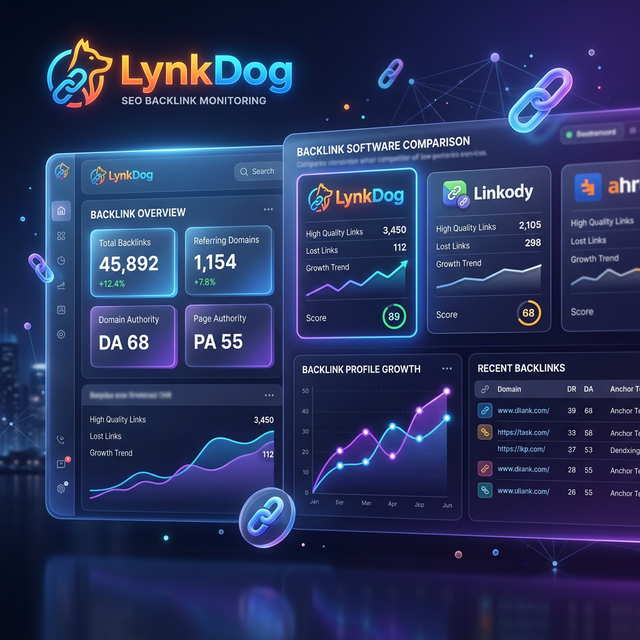
LynkDog (that's us!) is built specifically to make backlink tracking simple and actionable for site owners who don't want to wade through complicated dashboards.
Step 2: Index Your Website
Once you've connected your site to a link monitoring tool, let it crawl and index your existing backlink profile. This gives you a baseline a snapshot of exactly where you stand today.
Don't be alarmed if you see links you don't recognize. Many of these are perfectly fine. Some might be from web directories, scrapers, or sites that mentioned you without you knowing.
Step 3: Review Your Link Profile
Go through your backlinks with fresh eyes. Look for:
High-quality links worth celebrating (and potentially replicating)
Strange or unexpected links from unrelated niches
Links with overly optimized anchor text
Links from sites with very low authority scores
Step 4: Flag and Disavow Toxic Links
Any links that look suspicious or harmful should go into a disavow file that you submit through Google Search Console. This tells Google not to consider those links when evaluating your site. Most good backlink checkers will give each link a toxicity or spam score to make this process easier.
Step 5: Set Up Alerts for New and Lost Links
This is where the real power of backlink monitoring comes in. Set up automated alerts so that any time you gain or lose a link, you find out immediately. This lets you:
React quickly to lost links (by reaching out to get them reinstated)
Monitor new links to catch any negative SEO attacks early
Track the results of your link-building campaigns in real time
Step 6: Run a Full Backlink Audit Quarterly
While alerts handle day-to-day changes, a full backlink audit every 90 days helps you see the bigger picture. Are you growing your referring domain count? Is your link profile getting healthier? Are you outpacing competitors in terms of link acquisition?
Common Backlink Monitoring Mistakes (and How to Avoid Them)
Even experienced SEOs make these errors. Watch out for them:
Mistake #1: Only Checking Backlinks Once A one-time check is better than nothing, but backlink profiles change constantly. Pages get deleted, links get removed, and new spammy links can appear at any time. Make backlink tracking a regular habit, not a one-off task.
Mistake #2: Focusing Only on Quantity 100 links from high-authority, relevant sites will do far more for your rankings than 10,000 links from junk websites. Always prioritize link quality over raw numbers.
Mistake #3: Ignoring Lost Links Every time a valuable link disappears, you're losing ranking power. Yet most site owners never notice because they don't monitor backlinks consistently. A good link monitoring tool will alert you immediately so you can take action.
Mistake #4: Skipping the Disavow Process If you've ever done aggressive link building in the past, or if your site has been targeted with negative SEO, you likely have some toxic links. Ignoring them won't make them go away. Run a backlink audit and submit a disavow file if needed.
Mistake #5: Not Benchmarking Against Competitors Your backlink profile doesn't exist in a vacuum it's always relative to your competitors. Use your backlink checker to see who's linking to them but not to you. Those are your best link-building targets.
What Makes a Good Link Monitoring Tool?
With so many tools on the market, choosing the right one can feel overwhelming. Here's what to look for:
Fresh, Accurate Data: The tool should update its index frequently. Stale data means you're making decisions based on outdated information.
Comprehensive Coverage: A tool that only tracks some of your backlinks is worse than useless it gives you a false sense of security. Look for broad coverage across the web.
Easy-to-Read Reports: You don't need a PhD in data science to understand your link profile. The best tools present information clearly, with actionable insights front and center.
New and Lost Link Tracking: This is non-negotiable. You need to know the moment something changes in your backlink profile.
Toxic Link Detection: Automated spam scoring saves you hours of manual review.
Competitor Analysis: The ability to peek at your competitors' backlink profiles is invaluable for link-building strategy.
Alerts and Notifications: Email or in-app notifications for major changes let you stay on top of things without logging in every single day.
Backlink Monitoring vs. Link Building: What's the Difference?
People often confuse these two activities, but they serve different purposes:
Link building is the proactive process of acquiring new backlinks through outreach, content creation, guest posting, digital PR, and other tactics. It's about growing your link profile.
Backlink monitoring (also called backlink tracking) is the ongoing process of watching what happens to your existing link profile. It's about protecting and maintaining what you've already built.
You need both. Pouring energy into link building while neglecting monitoring is like filling a bucket with a hole in it. The links you work so hard to earn can quietly disappear or worse, get replaced by toxic links without you ever knowing.
How Often Should You Monitor Backlinks?
Here's a simple framework:
Daily (via alerts): Watch for sudden changes large spikes in new links (which could signal a negative SEO attack) or major lost links.
Weekly: Do a quick review of new and lost links. Prioritize any high-value links that need attention.
Monthly: Review your overall referring domain count, top linking domains, and anchor text distribution. Check on competitors.
Quarterly: Run a full backlink audit. Update your disavow file if needed. Revisit your link-building strategy based on what's working.
Final Thoughts: Start Monitoring Your Backlinks Today
Backlink monitoring isn't a luxury for big brands with massive SEO budgets it's a necessity for any website that wants to rank well and stay there. Whether you're running a small blog, a local business website, or a growing e-commerce store, understanding your backlink profile gives you a massive advantage.
With the right link monitoring tool, you can catch problems before they hurt your rankings, reclaim lost links, weed out toxic ones, and discover new opportunities all without spending hours doing it manually.
At LynkDog, we've built a backlink checker designed for site owners who want powerful insights without the complexity. Whether you need a quick one-time backlink audit or ongoing backlink tracking for multiple sites, we've got you covered.
Ready to take control of your backlink profile? Try LynkDog free today →