The Perfect Monthly Link Building Report (Template Included)

TL;DR
- Your monthly report is either a retention weapon or a cancellation trigger. Here's the exact framework top agencies use to make clients feel like geniuses for hiring them.
There's a moment every agency dreads. It's the third Thursday of the month, and your Account Manager is hunched over a Google Doc, copying URLs from a spreadsheet into a slide deck. They paste 14 links, add some DA numbers, maybe throw in a keyword ranking screenshot, and hit send.
Two weeks later, the client cancels.
Not because the work was bad. Because the story was invisible.
Here's the truth most agencies learn too late: your report is your product. The links live on someone else's website. The rankings exist inside Google's algorithm. The only tangible artifact the client holds in their hands at the end of each month is your report. If that artifact feels thin, the entire engagement feels thin.
This guide breaks down the anatomy of a report that doesn't just survive the inbox — it gets forwarded to the CEO.
Why Most Reports Fail
Let's diagnose the disease before prescribing the cure.
The typical agency report looks something like this:
Links Built This Month: 14
Average DA: 42
Keyword Rankings: [screenshot]
Next Steps: Continue outreach.
This format has three fatal problems:
- It's a receipt, not a report. It proves you did something, but not that it mattered.
- It invites comparison shopping. If the client only sees "14 links," they'll Google "link building service" and find someone promising 50 links for half the price. You've commoditized yourself.
- It puts the interpretation burden on the client. They don't know if DA 42 is impressive. They don't know whether 14 links is a lot or a little. So they assume the worst.
The Framework: Context → Proof → Protection → Strategy
The best reports follow a four-part narrative arc. Think of it less like a data dump and more like a quarterly earnings call — you're telling investors why their money is safe and growing.
Part 1: The Executive Context (30 seconds to buy-in)
Assume the decision-maker reads only this paragraph. It should answer three questions:
- What did we accomplish?
- Why does it matter to the business?
- What should you feel about this month?
Example:
"This month we secured 14 high-authority placements, including a feature in Search Engine Land (DR 89) that we've been nurturing for 11 weeks. Your backlink portfolio now stands at 187 active, verified links — up 38% since engagement start. All previously built links remain live and healthy."
Notice what this does. It names a specific win. It puts the number in cumulative context ("187 active" not just "14 new"). And it ends with a reassurance statement that most agencies never think to include.
Part 2: The Showcase (Proof of Quality)
This is where you earn your fee. Pick your 3–5 best links and sell them.
For each featured link, include:
- A screenshot of the link in its live context on the page. This is visceral proof — the client can see their brand on a respected publication.
- Why this site matters: "TechCrunch covers the SaaS vertical your buyers actively read. A dofollow link from this domain passes significant topical authority to your /pricing page."
- The effort behind it: "This placement took 11 weeks of relationship building, including two rounds of editorial feedback on a contributed article."
This last point is critical. You are making your process visible. The client should finish this section thinking, "I could never do this myself."
Part 3: Portfolio Health (The "Protection" Layer)
This is where you separate yourself from every other agency in the market. Most agencies report on what they built. Almost none report on what they defended.
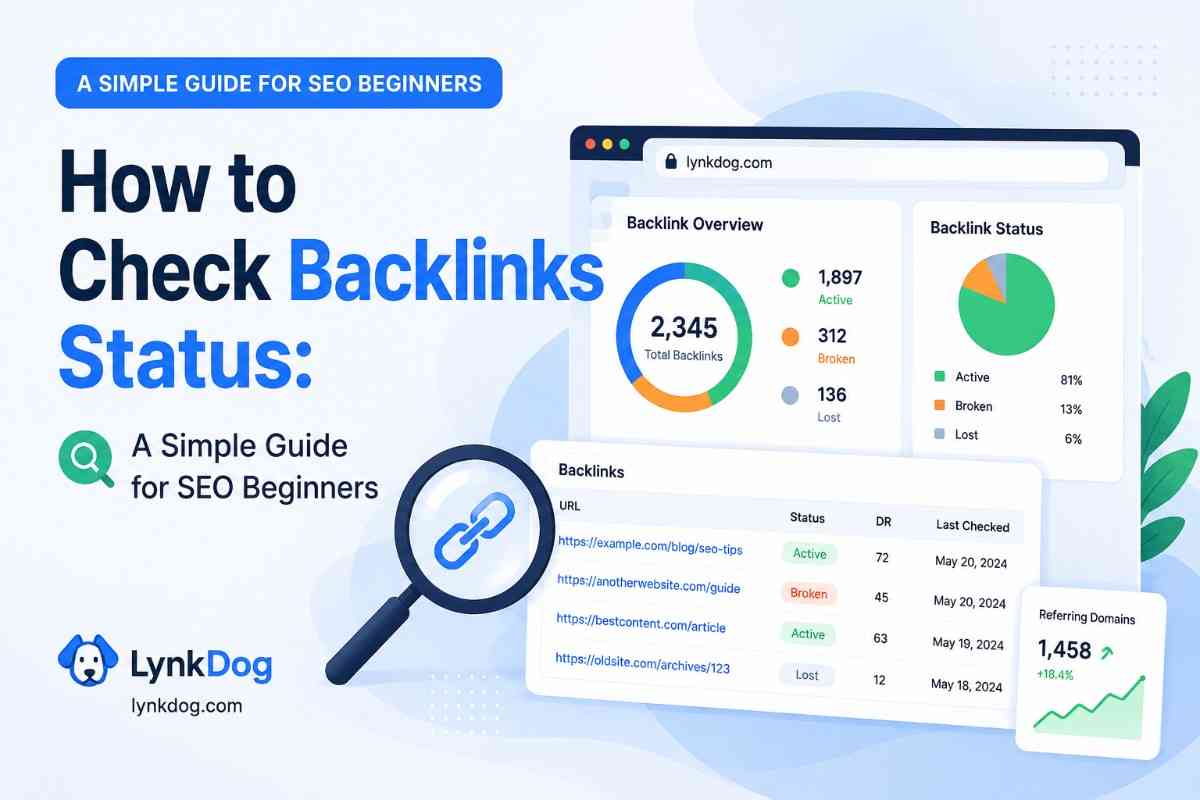
"We are currently monitoring 187 active backlinks across your campaigns. This month, our monitoring system flagged 4 status changes:
- 1 link returned a 301 redirect (acceptable — still passing equity)
- 2 links returned 404 errors due to a site migration on [Publisher]. We contacted their editor and both links were restored within 48 hours.
- 1 link had its anchor text changed from 'best project management tool' to 'click here.' We flagged this and the original anchor was restored.
Net result: Zero link equity lost."
Read that again. This single paragraph does more for retention than 20 new links. It tells the client:
- You are watching.
- Problems happened and you fixed them before they noticed.
- If they leave you, these problems will go undetected.
This is how you make yourself indispensable.
Part 4: The Strategy (What's Next)
End with forward momentum. The client should feel like you have a plan, not just a to-do list.
"Next month, we're doubling down on the SaaS editorial niche that yielded the Search Engine Land placement. We have 3 warm leads with publications in the DR 70–85 range. We're also shifting 20% of outreach toward your new /enterprise landing page to support the Q2 product launch."
This shows strategic thinking. You're not just "doing link building" — you're aligned with their business calendar.
The Checklist Before You Hit Send
- Does the executive summary work standalone? If the CEO reads nothing else, do they feel good?
- Did you showcase quality over quantity? Is there at least one link that makes them say "wow"?
- Did you include the protection layer? Even if nothing broke, say so: "All 187 links verified active."
- Did you connect to business outcomes? "Traffic to /pricing is up 22% since we started targeting commercial intent keywords."
- Did you end with strategy? The client should know what's coming next month before they even ask.
The Uncomfortable Truth
If you're reading this and thinking, "I don't have the monitoring data to write that Protection section," that's exactly the problem. You can't report on link health if you're not tracking it.
Most agencies skip the Protection layer because they don't have the infrastructure. This is an enormous missed opportunity. It's the single most defensible section of the entire report — and it's the one that makes clients terrified to leave.